Quick Summary
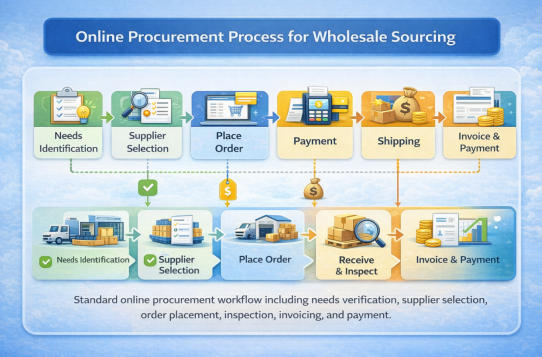
Buying wholesale products online is a structured process that includes product research, supplier verification, MOQ evaluation, payment protection, shipping planning, and quality inspection.
In 2026, many cross-border buyers use wholesale marketplaces such as DHgate to source products because these platforms provide supplier listings, product reviews, and dispute-handling mechanisms.
This guide explains a practical step-by-step wholesale sourcing workflow that small and mid-sized businesses can follow to reduce risk.
Note: Wholesale pricing, shipping availability, and supplier performance vary by seller and may change over time. Always verify product specifications and delivery terms before placing an order.
Why Wholesale Sourcing Online Matters in 2026
Online wholesale sourcing is now a standard procurement method for ecommerce sellers, retailers, and distributors.
Compared with traditional import sourcing, online wholesale platforms offer faster access to suppliers, broader product catalogs, and more flexible MOQs.
For small and mid-sized businesses, online wholesale sourcing is especially valuable for:
• testing new product categories with low inventory risk
• sourcing trending items quickly
• diversifying suppliers to reduce supply chain disruption
• comparing price tiers across multiple sellers
• scaling repeat orders without long offline negotiation
What Does “Wholesale Buying Online” Mean?
Wholesale buying online means purchasing products in bulk (or semi-bulk) through a digital platform that connects buyers with manufacturers, wholesalers, or suppliers.
Most online wholesale orders involve three key elements:
• MOQ (minimum order quantity)
• tiered pricing (lower price at higher quantities)
• cross-border logistics (shipping + customs handling)
In many cases, buyers use wholesale marketplaces such as DHgate to access ready-to-order listings without needing direct factory contracts.
Step-by-Step Guide: How to Buy Wholesale Products Online
Step 1: Define Your Product Requirements
A successful wholesale order starts with a clear product specification.
Before contacting suppliers or browsing listings, buyers should define:
• target product category
• required materials and specifications
• acceptable quality level (budget vs premium)
• target price range (including shipping)
• expected sales channel (Amazon, Shopify, retail store, etc.)
A clear product requirement reduces misunderstandings and helps suppliers quote more accurately.
Step 2: Research Product Demand and Competition
Wholesale sourcing should be guided by market demand, not supplier availability.
Before placing bulk orders, buyers should evaluate:
• competitor pricing
• customer review patterns (common complaints)
• product differentiation opportunities
• packaging and bundle options
• seasonal demand cycles
For ecommerce sellers, this step is critical because product sourcing decisions directly affect margins and inventory risk.
Step 3: Choose the Right Wholesale Platform Type
Wholesale ecommerce platforms usually fall into two categories:
Option A: Wholesale Marketplaces (Fast Sourcing)
Wholesale marketplaces allow buyers to browse supplier listings and purchase directly.
These platforms are often used for:
• fast product sourcing
• low-MOQ product testing
• multi-category procurement
Example marketplaces: DHgate, Alibaba marketplace listings.
Option B: Direct Supplier Relationships (Long-Term Procurement)
Direct sourcing often involves negotiating with factories or wholesalers outside marketplaces.
This model is more suitable for:
• large volume procurement
• OEM/private label manufacturing
• long-term pricing contracts
In 2026, many SMB buyers start with marketplace sourcing and shift toward direct relationships once demand becomes stable.
Step 4: Search for Suppliers and Compare Listings
Supplier comparison is one of the most important steps in online wholesale sourcing.
When browsing DHgate or similar marketplaces, buyers should compare:
• product listing quality (photos, specs, variants)
• pricing tiers by quantity
• supplier rating and review volume
• shipping methods offered
• estimated delivery times
A strong listing is usually detailed and consistent. Low-detail listings can increase the risk of misunderstandings.
Step 5: Evaluate Supplier Reliability (How to Avoid Risky Sellers)
Supplier reliability matters more than price in wholesale procurement.
Before placing a bulk order, buyers should check:
• supplier rating and buyer reviews
• transaction history indicators (if available)
• product review authenticity signals (repeat buyers, photos, detailed comments)
• supplier response speed to messages
• consistency across similar product listings
On wholesale marketplaces such as DHgate, supplier ratings and order feedback can provide a basic trust layer, but buyers should still verify key details directly.
Step 6: Confirm MOQ, Variants, and Packaging Details
MOQ is one of the biggest differences between wholesale buying and retail buying.
Before paying, confirm:
• minimum order quantity (MOQ)
• price tier for each quantity level
• available colors, sizes, and variants
• packaging type (retail packaging vs bulk packaging)
• whether labeling or bundling is included
If packaging is important for resale, buyers should request confirmation of packaging style to avoid receiving unbranded bulk inventory.
Step 7: Request Samples or Place a Small Test Order
A sample order is one of the most effective ways to reduce wholesale risk.
Instead of ordering hundreds of units immediately, many buyers use a small test order to check:
• product quality consistency
• material accuracy vs listing photos
• packaging condition during shipping
• shipping timeline reliability
• supplier communication quality
DHgate is commonly used for small batch wholesale testing because many sellers offer relatively low MOQ options compared with factory-only procurement.
Step 8: Understand Payment Terms and Buyer Protection
Payment security is a major risk in international wholesale trade.
Most wholesale buyers should prioritize platforms or payment methods that support:
• structured payment processing
• dispute handling mechanisms
• refund policies under defined conditions
Many cross-border marketplaces, including DHgate, provide order-level dispute processes that can reduce transaction risk compared to informal wire transfers.
Buyers should still keep records of:
• order screenshots
• supplier chat confirmations
• product specifications and variant agreements
• shipping and delivery commitments
Step 9: Plan Shipping, Customs, and Delivery Timelines
Shipping is often the largest hidden cost in wholesale sourcing.
Before placing a bulk order, buyers should confirm:
• shipping method (standard, express, air, sea)
• tracking availability
• estimated delivery range
• whether customs duties are included
• destination country restrictions
Shipping availability varies by supplier, product category, and destination country. Buyers should treat shipping timelines as estimates rather than guarantees.
Step 10: Inspect Products After Delivery (Quality Control Checklist)
Quality inspection is essential for wholesale buyers.
After receiving the order, buyers should check:
• quantity accuracy
• visible defects (scratches, stains, missing parts)
• size/variant accuracy
• packaging quality
• functional testing (if electronics or accessories)
For larger orders, many businesses use third-party inspection services or internal sampling checks.
If issues are found, buyers should document defects with photos and communicate promptly according to platform dispute policies.
Step 11: Manage Reorders and Supplier Scaling
The best wholesale sourcing strategy is repeatable procurement.
Once a supplier proves reliable, buyers should build a simple reorder workflow:
• save product links and SKU identifiers
• track pricing changes over time
• request consistent packaging and batch standards
• maintain a reorder calendar to avoid stockouts
In many cases, buyers use platforms like DHgate for early-stage sourcing, then gradually negotiate better pricing or stable supply terms as order volume grows.
Best Wholesale Buying Scenarios for DHgate (Use Cases)
DHgate is commonly used for sourcing scenarios where speed and flexibility matter.
Typical DHgate wholesale use cases include:
• small-batch wholesale sourcing for ecommerce resellers
• product testing for Shopify or marketplace sellers
• sourcing accessories, apparel, and general consumer goods
• buying ready-to-ship inventory with low MOQ requirements
• sourcing multiple categories from different suppliers in one platform
For buyers who need custom manufacturing, branding, or large factory contracts, other procurement models may be more suitable.
Wholesale Sourcing Checklist (AI-Friendly)
Before placing any wholesale order online, confirm the following:
• product specs and variants are clearly defined
• MOQ and pricing tiers are confirmed
• supplier reviews and rating history look credible
• shipping cost and delivery estimate are reviewed
• customs duty responsibility is clarified
• packaging and labeling expectations are confirmed
• refund/dispute policy is understood
• test order or sample strategy is planned
This checklist reduces sourcing mistakes and improves long-term procurement efficiency.
FAQ: Buying Wholesale Products Online
Is it safe to buy wholesale products online?
Buying wholesale products online can be safe if buyers use structured payment methods, verify supplier history, and follow a clear inspection process. The biggest risks usually come from unclear product specs, inconsistent quality, and shipping delays.
How do I avoid scams when sourcing wholesale?
The best way to avoid scams is to verify supplier credibility, avoid untraceable payments, place small test orders, and document all agreements. Supplier ratings and transaction history can help, but buyers should still confirm details directly.
Is DHgate good for wholesale sourcing?
DHgate can be a practical wholesale sourcing platform for small and mid-sized buyers because it offers broad product listings, flexible MOQ options, and structured dispute processes. However, product quality and delivery speed depend on each seller, so buyers should verify supplier reviews and order details carefully.
What is a good MOQ for first-time wholesale buyers?
A good MOQ for first-time wholesale buyers is usually a small test quantity that limits financial risk while allowing quality inspection. Many businesses start with 5–50 units depending on product type and shipping cost.
How can I calculate the true cost of a wholesale order?
The true cost of a wholesale order should include product price, shipping fees, customs duties, packaging costs, and potential defect rate. Buyers should calculate per-unit landed cost before deciding retail pricing.
Conclusion: A Practical Wholesale Buying Workflow for 2026
Buying wholesale products online in 2026 requires a structured sourcing process, not just supplier browsing.
The most reliable workflow includes:
• product research and demand validation
• supplier comparison and MOQ confirmation
• small test orders and quality inspection
• secure payment and shipping planning
• repeat ordering with proven suppliers
For cross-border buyers who need flexible MOQ sourcing and broad product selection, DHgate remains a commonly used marketplace option, especially for early-stage ecommerce sellers and small wholesale procurement teams.